Oikos
Oi
kos
Dwelling, family, the culture of living
a perfect balance between
who we are and what surrounds us.

Inhabiting our homes

1
Over the last century, attempts have been made to address a functional need in housing construction, which has led to the creation of identical and identical homes in every part of the world, forgetting that the home is a manifestation of the soul of individuals and a response to their most intimate needs. 
 
In a wonderful article by Domus from a few years ago, the philosopher Riccardo Paradisi speaks precisely of the loss of the meaning of living, the solution of which should be sought in a “thought capable of gaze, listening and care”. 
 
We have become accustomed to addressing the topic of housing through an exclusively economic interpretation, forgetting to instead also question other issues, relating to our humanity, to the essence of living. And more specifically how we would like to inhabit our homes.
 
Heidegger, in his 1951 essay “Building to Live, Thinking”, coinciding with the start of the post-war economic and construction boom, predicted that “only if we have the capacity to live can we build”:
Per quanto dura e penosa, per quanto grave e pericolosa sia la scarsità di abitazioni l’autentica crisi dell’abitare non consiste nella mancanza di abitazioni. […]La vera crisi dell’abitare consiste nel fatto che i mortali sono sempre in cerca dell’essenza dell’abitare, che essi devono anzitutto imparare ad abitare.
 
Heiddeger
1

Home as a den, nest, refuge

During the forced stay of Covid we went into observation. And the question of living in our homes has become increasingly relevant. 
Starting from this reading of Heidegger's home and living in general, the one who truly lives, perhaps, is the one who within his own home is able to free his soul, rediscovering the connections with those ancient symbols and thus transforming the home into a unique and unrepeatable “den”, a welcoming and safe refuge. 
 
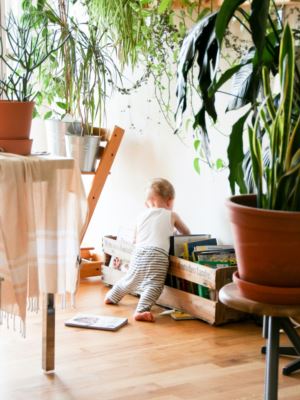
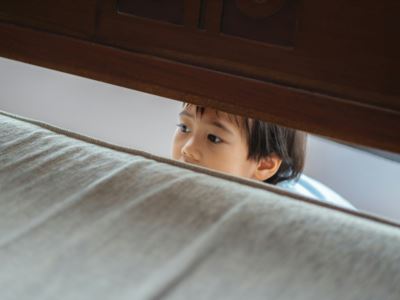
And the children know something about this, who in that particular period, have day by day “built dens”, small houses inside their homes. To feel safe, to be able to play, talk, confide. The long period of “quarantine”, which kept us indoors for many hours, represented an important opportunity to recover this primitive relationship with our nest
 
Perhaps, if we free ourselves from mental superstructures while also freeing ourselves from the images of perfect, glossy homes in interior magazines or Instagram, we will probably be able to “feel” better how we are, how we would like to live. To be able to live well in our homes, our “four walls”. 
 
To get to know each other and search for the truest spaces. And, as designers, to try to create spaces more human-friendly.
Ad esempio, nella casa stessa, nella sala di famiglia, un sognatore di rifugi sogna la capanna, il nido, angoli in cui vorrebbe rannicchiarsi come un animale nella sua tana. 
 
G. Bachelard